
Hurricane season is already underway, and while most building owners focus on roofs, generators, and exterior structures, elevator systems are often overlooked until after severe weather has already caused damage.
Preparation before a storm is one of the most effective ways to reduce downtime and protect critical building infrastructure.
Why Elevators Are Vulnerable
Water intrusion, power interruptions, flooding, and electrical damage can all impact elevator operation.
The most common areas at risk include:
- Elevator pits
- Machine rooms
- Controllers
- Hoistway electrical components
- Emergency communication systems
Even minor flooding can result in extended outages if systems are not properly protected.
Build Your Storm Checklist
Before severe weather approaches, building managers should review:
- Emergency response procedures
- Backup power operation
- Elevator recall functions
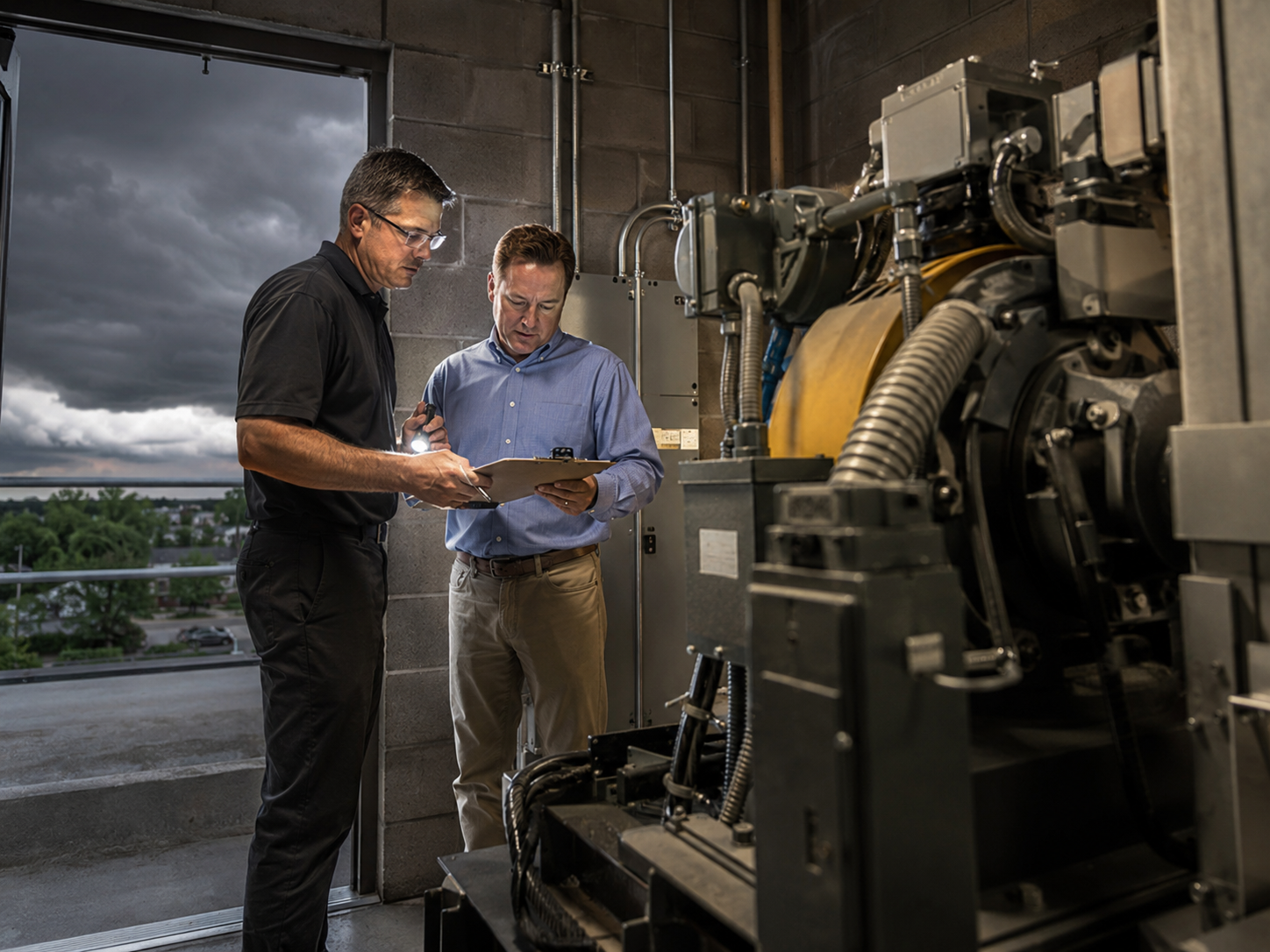
- Machine room conditions
- Pit drainage systems
- Communication equipment
- Maintenance contact procedures
Completing these reviews ahead of time allows potential issues to be corrected before emergency conditions exist.
Recovery Starts with Inspection
Once a storm has passed, elevators should never be returned to normal service without a thorough inspection. Moisture, debris, corrosion, and hidden electrical damage may not be immediately visible but can affect long-term reliability and safety. A professional post-storm assessment helps determine whether equipment remains safe to operate while identifying repairs before they lead to larger failures. Preparation today helps buildings recover faster tomorrow.
Patriot Elevator Services works with building owners and facility managers to develop proactive storm preparedness strategies that help protect critical vertical transportation systems year-round.

