
The Patriot Perspective Blog
- Home
- The Patriot Perspective Blog
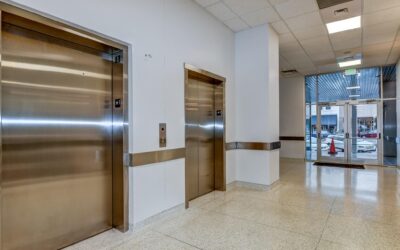
Elevator Modernization vs. Replacement: How Do Building Owners Decide?
Elevator modernization vs replacement is an important decision for building owners facing aging equipment, frequent repairs, and rising maintenance costs. Learn how to compare modernization options, equipment condition, reliability, replacement costs, and long-term capital planning with guidance from independent elevator consultants. Copy excerpt

Is Your Elevator Maintenance Contract Costing You More Than It Should? What Building Owners Need to Know
An elevator maintenance contract review helps building owners uncover hidden costs, coverage gaps, unnecessary repair charges, and contractor performance issues. Learn how independent elevator consulting can improve maintenance agreements, control expenses, and protect long-term elevator reliability.

Why Elevator Planning Should Start Before Installation
Successful elevator projects begin long before installation starts. Early planning gives building owners time to evaluate equipment needs, code requirements, building conditions, budgets, and realistic timelines. Defining the project scope in advance helps prevent costly changes, construction delays, and coordination problems while ensuring the elevator supports the building’s long-term needs.

Summer Heat Can Affect Elevator Performance More Than You Think
High summer temperatures can place added stress on elevator control systems, motors, ventilation, and electrical components especially in machine rooms that are not properly cooled. Excessive heat may lead to overheating, performance issues, or unexpected shutdowns. Routine inspections and proper temperature control can help keep elevators operating safely and reliably throughout the summer.

Hurricane Season and Your Elevators: Preparing Before the Storm Arrives
Hurricane preparation should include more than securing windows and checking generators. Elevators can be vulnerable to flooding, power loss, water intrusion, and electrical damage during severe weather. Building owners should review emergency procedures, confirm backup systems are working, and coordinate with their elevator service provider before a storm arrives to help protect passengers, equipment, and the building.

Why July Is the Perfect Time to Evaluate Your Building Systems
July is an ideal time for building owners to evaluate elevators, HVAC, electrical, and other essential systems before fall and winter demands increase. A midyear assessment can uncover developing issues, confirm maintenance is on schedule, and identify opportunities to improve reliability and efficiency. Addressing concerns now helps prevent unexpected breakdowns, costly emergency repairs, and disruptions later in the year.

Annual Elevator Inspections Explained in Plain Language
Annual elevator inspections are required safety checks performed to confirm that an elevator is operating properly and meets applicable codes. An inspector reviews key components, tests safety features, and identifies any violations that need to be corrected. Staying ahead of inspection requirements helps building owners avoid delays, unexpected shutdowns, and costly last-minute repairs.

Why Elevators Experience More Wear During Travel and Tourism Season
During travel and tourism season, hotels, resorts, and busy commercial buildings experience a sharp increase in elevator use. More passengers, luggage, deliveries, and frequent door cycles place added stress on operating components. This increased demand can accelerate wear, making seasonal inspections and preventive maintenance especially important for avoiding unexpected downtime.

Summer Means Heavier Building Traffic. Is Your Elevator Ready?
Summer often brings more tenants, guests, deliveries, and visitors through your building, placing added strain on elevator doors, controls, and mechanical components. A proactive inspection can help identify wear before it leads to unexpected shutdowns or costly repairs. Preparing your elevator for increased seasonal traffic helps keep passengers moving safely and minimizes disruptions during the busiest months.

Elevator Technician Safety: Why Safe Access Matters During Inspections, Maintenance and Modernization
Elevator Technician Safety: Why Safe Access Matters During Inspections, Maintenance and Modernization Elevator...
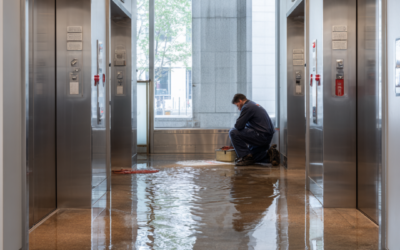
Water Damage and Elevators: What Building Owners Need to Do After a Leak or Flood
Elevator water damage can affect electrical equipment, controls, doors, hoistways, pits, and other components. Learn what building owners should do when water reaches an elevator area, why flooded elevator equipment needs qualified evaluation, and how proper documentation, inspection, and repairs can help prevent additional damage and unsafe operation.
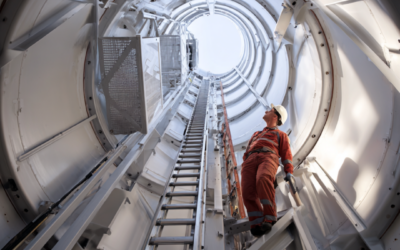
Specialized Elevator Systems: Why Every Vertical Transportation System Is Not the Same
Specialized Elevator Systems: Why Every Vertical Transportation System Is Not the Same When most people think about...